
Key Takeaways
- Check operational fit, not price alone. Fleet capacity, route coverage, scheduling and communication determine whether transport runs reliably.
- Test readiness for changing site demands. Construction programmes evolve, so transport should adapt.
- Clarify responsibilities before award. Change requests, delays, contacts and expectations should be understood before operations begin.
- Match the tender to reality. Your scope should reflect passenger numbers, reporting points, timings and project phases.
Introduction
Choosing project transport is not simply a quotation exercise. You need a partner that can move workers repeatedly, respond to shifting site conditions and communicate clearly when plans change. Strong tender reviews look beyond headline pricing and test whether a construction transport provider can support the job after mobilisation. At A&S Transit, we bring more than 30 years of industry experience, operate over 100 buses, and support ad-hoc and recurring transport arrangements.
Why Tender Checks Matter Before Appointing a Transport Provider
A tender can look complete while leaving important operating questions unanswered. Our transport tender checklist starts with one practical test: can the proposed service still work on an ordinary morning when workers, timings and access requirements must line up? Checking fleet readiness, scheduling and service processes early reduces the risk of discovering later that a low-cost arrangement is too rigid.
Checking Operating Readiness and Service Scope
Define what you expect before comparing offers. Confirm operating days, pick-up and drop-off points, trip frequency, passenger numbers, contract duration and whether bookings are recurring or ad hoc. Good site transport planning should distinguish fixed requirements from items that may change. A specific scope helps us assess resources accurately and helps you compare providers on like-for-like requirements.
Checking Fleet Availability for 40-Seater and 45-Seater Buses
Larger work crews often benefit from travelling together when reporting times are fixed. A 40-seater bus or 45-seater coach may reduce the need to coordinate several smaller vehicles. Ask whether capacity is available across the contract period, including busier phases. A construction transport provider should be able to discuss fleet support beyond the first booking, rather than treating long-term capacity as an assumption.
Reviewing Recurring Schedule Capability
Regular construction worker transport depends on operational continuity. Repeated movements require more than reserving a vehicle. Drivers need clear timing information, routes need to be understood, and coordinators need visibility over the service. Ask how recurring schedules are managed, who oversees changes, and what information must be confirmed before launch. Those answers show whether the process is repeatable.
Understanding Route Flexibility as Project Phases Change
Construction projects move. Access gates shift, trades rotate, manpower levels change, and reporting locations can move as work progresses. Your transport arrangement should not become obsolete because the route suited an earlier phase. Before committing, ask how the provider assesses route adjustments and what lead time is needed. Flexibility should be structured, not improvised at the last minute.
Checking How Route Changes Are Managed
A route change works only when everyone receives the same instruction. Establish who can request a change, who confirms it, and how revised details reach drivers or coordinators. We also advise documenting each revision’s effective date and timing. This creates a simple operational trail and reduces conflicting instructions. When route changes affect site access, the revised arrangement should still account for the relevant framework outlined in LTA’s bus operating requirements.
Clarifying Service Terms Before Appointment
Service terms deserve the same attention as pricing. Ask how timing amendments, cancellations, replacement arrangements, waiting periods and schedule shifts are handled. If your project may require charter bus services alongside recurring movements, clarify how those requests sit within the contract. A construction transport provider should make its operating boundaries understandable before award, so both teams know what happens when a routine schedule becomes an exception.
Looking at Communication During Delays and Operational Issues
Even a well-planned service can encounter congestion, rain, access restrictions or unexpected instructions. What matters then is speed and clarity. You should know whom to contact, what updates to expect and how urgent changes are escalated. We see communication as part of service delivery, not an administrative extra. Clear updates help your team make decisions when transport timing affects coordination.
Reviewing Experience with Construction Transport Needs
Site operations have a particular rhythm: early reporting times, repeat routes, large passenger groups and project-stage changes. Relevant experience helps a construction transport provider recognise these patterns early and coordinate around the practical demands of an active project. A&S Transit supports businesses and worker transportation through one-time and recurring services, with buses ranging from 10-seaters to 45-seater coaches. Our fleet exceeds 100 buses, giving us a practical base for discussing different project requirements with clients.
Matching Tender Requirements with Real Site Conditions
Paper specifications should be tested against the actual site. Walk through reporting locations, waiting space, access restrictions, likely passenger peaks and shift timings. If teams use different points, state that clearly. A tender that simply says “daily transport” leaves too much room for interpretation. Translate site conditions into operating requirements before service starts, so quoted assumptions match what your team actually needs.
Reviewing Value Beyond the Lowest Price
Price matters, but the lowest figure is only good value if the service can meet project demands. A cheaper quote can create extra coordination work when fleet capacity, recurring schedules or route changes are not well supported. We look at what must remain dependable throughout the contract, not just what makes the opening quotation attractive. That gives you a clearer basis for weighing cost against delivery risk and management effort.
Choosing a Construction Transport Provider with A&S Transit
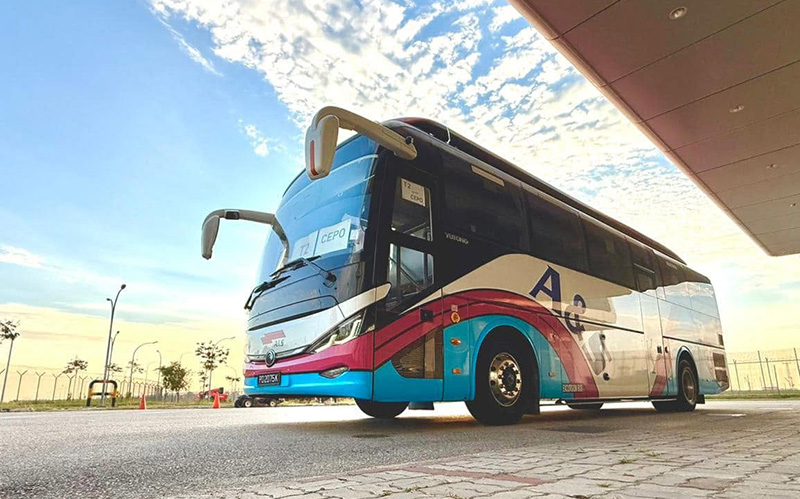
Before you award your next transport tender, bring the real operating details into the discussion. Share expected headcount, routes, reporting times, project duration, likely phase changes and recurring requirements. We can then help you assess a practical worker transport arrangement using our 10-, 19-, 40- and 45-seater bus options, islandwide coverage and customised planning capabilities. If you want fewer assumptions between tender and mobilisation, speak with us early and build the transport scope around how your project will actually run.